Your autistic child isn't sleeping. And you've tried all the usual advice.
What if the next step wasn't another generic sleep tip, but understanding what's making sleep difficult for your child?
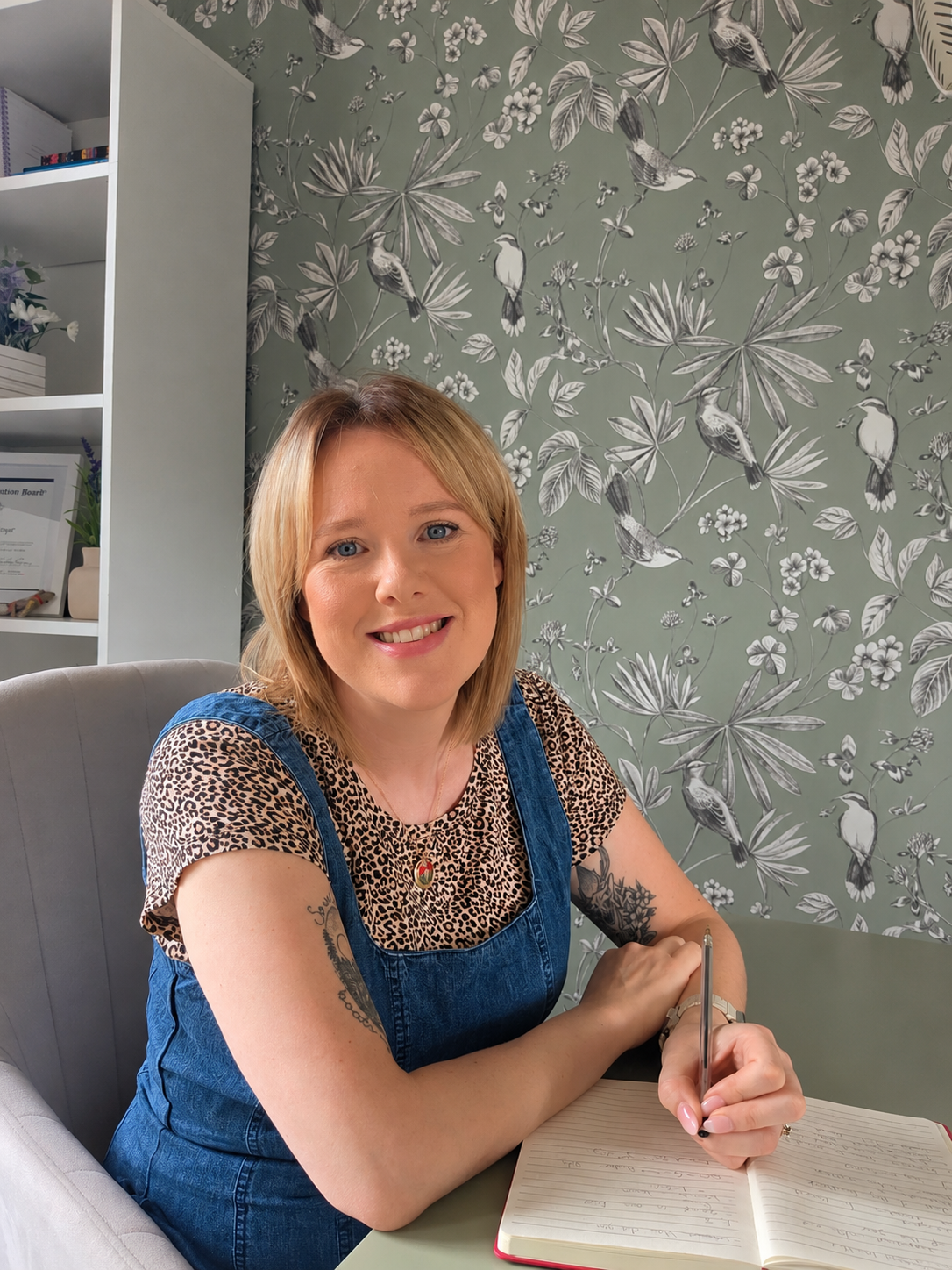
I'm Jodie, a Behaviour Analyst specialising in autism and sleep.
I help families understand the factors affecting their child's sleep and work out practical, individualised ways forward that take their child's needs into account.
Does any of this sound familiar?
Your child takes hours to fall asleep
They wake repeatedly throughout the night
They need you there to fall asleep and you’re not sure how to change it
They need you there to fall asleep and you’re not sure how to change it
They need you there to fall asleep and you’re not sure how to change it
You’ve tried everything but nothing seems to work
If you’re wondering what else you can possibly try, I don’t think you need another sleep tip.
You need to understand what’s actually happening.
Most sleep advice starts at bedtime. I don’t.

Understand What’s Happening
Before changing bedtime, we need to understand what might actually be affecting your child’s sleep.
I look at the whole picture, including:
• Sleep timing and patterns
• What happens throughout the day
• Sensory and environmental needs
• Bedtime and night waking patterns
• How your child currently falls asleep
• What you’ve already tried
Because the same sleep difficulty can happen for very different reasons.

Make Changes That Make Sense
Make Changes That Make Sense
Once we understand what’s happening, we can decide what actually needs to change.
That might mean adjusting sleep timing, changing part of the bedtime routine, supporting a difficult transition or gradually teaching a new sleep skill.
And sometimes, it means leaving something alone because it isn’t actually the problem.
No generic sleep methods. No unnecessary changes. Just support based on your child.
Assessment first. Support second.
Our Sleep Specialist
Jodie Fielder
Board Certified Behaviour Analyst (BCBA)
&
Certified Behavioural Sleep Practitioner
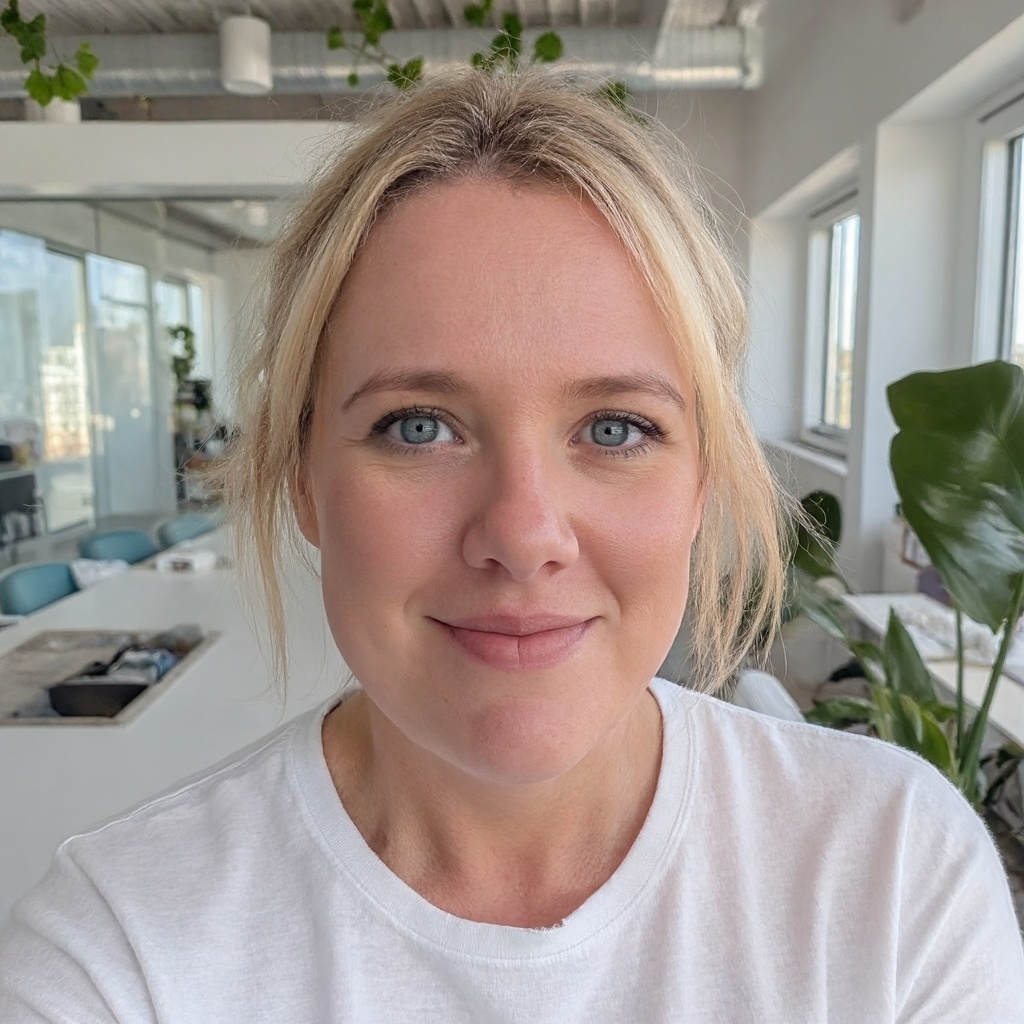
My Experience
For over 15 years, I’ve supported autistic and neurodivergent children and their families across home, school and community settings.
That experience shapes how I approach sleep. I look beyond what happens at bedtime to understand the whole child and what may be contributing to the difficulty.

Qualifications
I’m a Board Certified Behaviour Analyst (BCBA) with a Master’s degree in Applied Behaviour Analysis and specialist training in behavioural sleep.
This combination allows me to bring together an understanding of sleep, behaviour and how children learn new skills.

Why Sleep?
Because Sleep Changes Everything
When a child isn’t sleeping well, the impact can reach far beyond bedtime. It can affect the child, their parents and the whole family.
I specialised in sleep because I wanted to use my behavioural expertise to help families understand why sleep is difficult and make changes that genuinely improve family life.
What makes my approach different?
Sleep difficulties are rarely just about sleep. My background allows me to look at both sleep and behaviour, and understand how the two interact.
Behaviour Analyst
I’m a Board Certified Behavior Analyst, trained to understand why behaviour happens and how to support meaningful, lasting behaviour change.
Sleep Specialist
My specialist training in behavioural sleep means I can look beyond bedtime behaviour to understand sleep patterns, timing and the factors that may be affecting your child’s sleep.

Autism Experience
I have over 15 years’ experience supporting autistic and neurodivergent children and their families, so recommendations are made with your child’s individual needs in mind.
Sleep expertise. Behaviour expertise. Autism informed.
How I Can Help
Not every family needs the same level of support. Choose the option that best fits where you are right now.
SELF PACED
course
Understand Your Child’s Sleep
For parents who want to understand what's affecting their child's sleep and learn practical, autism informed strategies they can work through at their own pace.
1 TO 1 CONSULTATION
30 or 60 Minute Sleep Consultation
For families who need expert advice on a specific sleep difficulty or guidance on what to try next. Choose a 30 or 60 minute consultation.

2 WEEK INTENSIVE
Personalised Sleep Support
For families who want personalised, intensive support to understand and address their child's sleep difficulties.
Personalised sleep support starting with a detailed assessment, an individualised plan and two weeks of intensive guidance to help you put changes into practice.
3 MONTH PACKAGE
Intensive + Ongoing Sleep Support
Everything included in the two week intensive, plus three months of ongoing support to review progress, overcome challenges and adapt your child's sleep plan as needed.
Not sure which option is right for you?
FAQ's
Why won't my autistic child sleep?
Sleep disruption in autistic children is common and rarely random.
Around 40–80% experience ongoing difficulties, often linked to sleep biology, sensory processing, and regulation.
This can look like:
• Hyper arousal at bedtime
• Longer time to fall asleep
• Night wakings
• Early waking
• Strong sleep dependencies
• Separation anxiety
Because of this, strategies must be applied in the right order.
We first align sleep biology and regulation, then build sleep skills during the day, like separation tolerance, independent play, and transitions.
Only once foundations are in place do we shape bedtime.
When we understand the pattern, change becomes possible.
What if I've already tried everything?
Many families come to me feeling exhausted and discouraged after trying routines, reward charts, visual schedules, cry it out approaches, or countless small tweaks that never seemed to stick.
When sleep support focuses only on behaviour, without assessing biology, regulation, environment, and skill development, progress often feels temporary or impossible.
It is rarely that you have tried everything.
More often, the pieces were applied in the wrong order.
Sleep disruption in autistic children is layered. When we step back, analyse the full pattern, and address biology first, then regulation, then skills, change becomes more predictable and sustainable.
There is hope.
You are yet to find a framework that fits your child.
Do you use cry-it-out methods?
No, I do not use cry it out or leave children to cry alone.
Many of the families who come to me have already tried approaches that felt uncomfortable or escalated distress. By the time they reach out, they are not looking for less responsiveness. They are looking for something that feels both effective and aligned with their values.
In autistic and neurodivergent children, bedtime distress is often linked to hyper-arousal, sensory overload, separation patterns, or skills that have not yet been built. Ignoring that distress does not address the underlying pattern.
My work focuses first on aligning sleep biology and regulation. We then build the necessary daytime skills, such as separation tolerance, waiting, and independent play, so that independence at night feels achievable rather than forced.
Parents remain responsive throughout the process. The goal is confident, supported sleep, not withdrawal of comfort.
What makes your approach different?
Most sleep support focuses primarily on behaviour at bedtime.
My approach begins earlier.
As a Board Certified Behaviour Analyst with experience supporting autistic and neurodivergent children, I assess sleep through a layered framework that includes:
• Sleep biology and timing
• Nervous system regulation
• Sensory and environmental factors
• Sleep onset conditions
• Daytime skill development
Rather than applying generic sleep training methods, I analyse the full pattern first. We align sleep pressure and regulation, then build essential daytime skills such as separation tolerance, independent play, and waiting. Only once those foundations are stable do we shape bedtime behaviour.
This structured order is what makes change more predictable and sustainable.
Sleep disruption is rarely random. When we understand the system, we can adjust it with clarity rather than trial and error.
What if my child is non-speaking or has limited communication?
Many of the children I support are non-speaking or have limited verbal communication.
I have over 15 years of experience working with children with severe autism and complex developmental needs. Throughout that time, I have supported children with high support requirements, significant sensory differences, and limited functional communication.
Sleep does not rely on spoken language. It relies on predictability, regulation, environmental clarity, and skill development.
When communication is limited, behaviour becomes even more important. As a Board Certified Behaviour Analyst, I am trained to analyse behaviour as communication. Distress at bedtime is never dismissed. It is interpreted.
We pay close attention to:
• Behavioural cues
• Sensory sensitivities
• Regulation patterns
• Environmental triggers
• Sleep onset conditions
Sleep plans are adapted to your child’s developmental level, sensory profile, and communication style. Expectations are taught clearly and consistently during the day using structured routines and developmentally appropriate supports.
Your child does not need words for us to understand their sleep pattern.
How long until sleep improves?
This depends on the underlying pattern.
Sleep disruption is rarely caused by one single factor. It may involve:
• Biological timing differences or reduced sleep pressure
• Nervous system hyper-arousal
• Environmental factors (light, temperature, noise, stimulation)
• Medical contributors (such as reflux, allergies, discomfort or pain)
• Skill deficits, including separation tolerance, waiting, or independent play
• Strong sleep onset dependencies
When sleep timing and regulation are misaligned, improvements in sleep onset can often be seen within 1–2 weeks once biology is adjusted.
Night wakings and early rising may take longer, particularly if independence skills need to be built during the day.
Because I prioritise biology and daytime skill development before shaping bedtime behaviour, progress is structured and sustainable, not rushed.
Most families begin to see meaningful shifts within a few weeks, with continued improvement as regulation and independence strengthen.
Does my child need a diagnosis to work with you?
No, a diagnosis is not required.
I work with both neurotypical and neurodivergent children. Many of the families I support do not have a diagnosis, sleep is always assessed based on your child’s individual needs.
Do you offer services online or in-person?
All services are currently online, allowing flexibility for families anywhere in the UK.
If you’d prefer in-home support in the future, this may be added as an optional service, depending on your location.
Behavioural Sleep Solutions
CUSTOMER CARE
CUSTOMER CARE
NEWS
LEGAL


© Copyright 2026
All Rights Reserved.