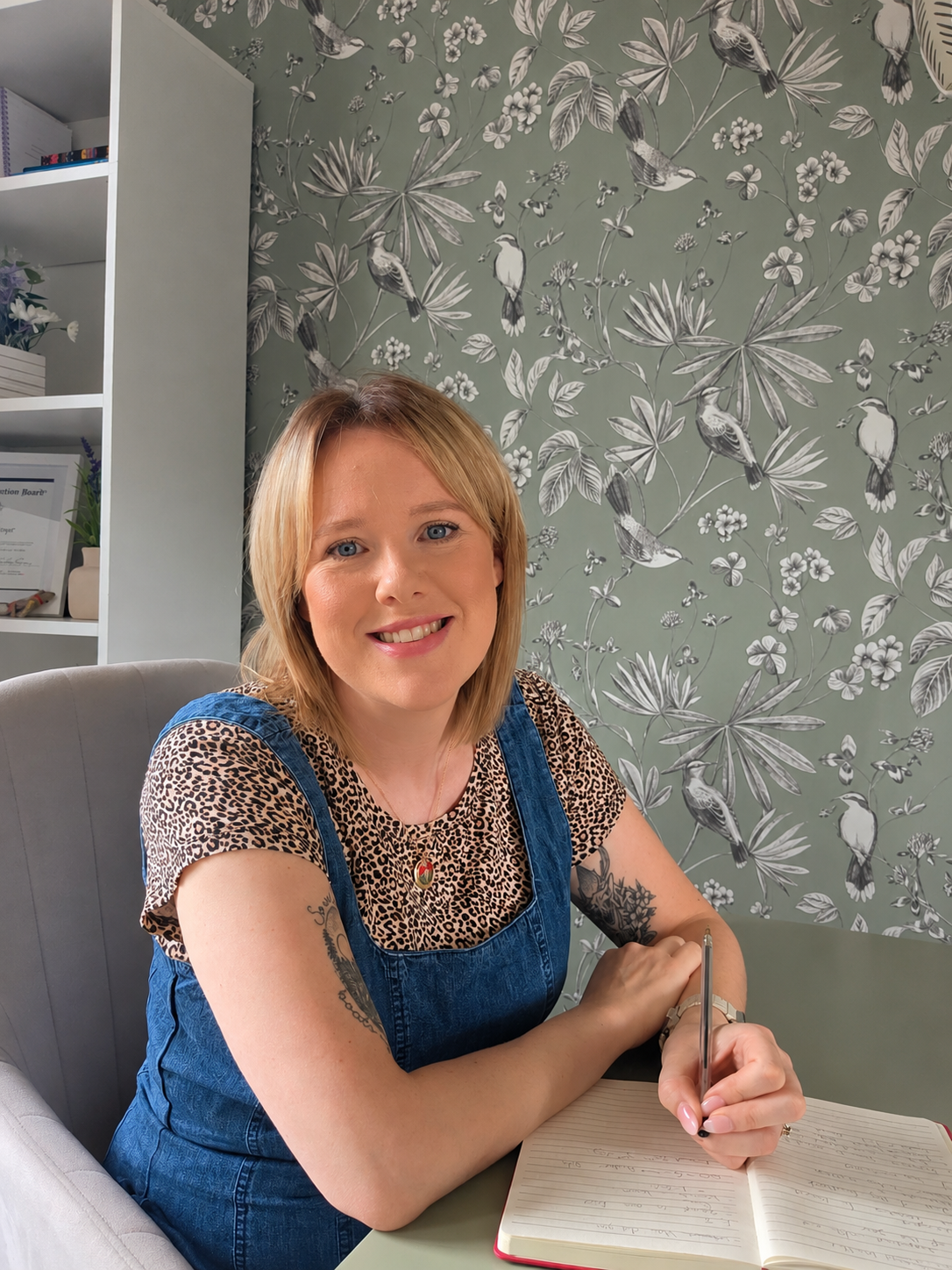
Can AI Replace a Sleep Consultant? A Behaviour Analyst's Perspective
Sleep, AI Sleep Consultant, Behavioural Sleep Therapy
Can AI Replace a Sleep Consultant? A Behaviour Analyst's Perspective
Curious whether an AI Sleep Consultant could finally fix your nights? Let’s explore where artificial intelligence can genuinely support your sleep, where it falls short, and why personalised sleep support still has a vital role to play.
So… can AI actually replace a sleep consultant?
Artificial intelligence seems to be everywhere at the moment, and children's sleep is no exception. Over the past few weeks, while spending a little more time in parenting Facebook groups, networking with other professionals and working behind the scenes on my upcoming membership, I've noticed the same question appearing again and again.
"Can I just use ChatGPT instead of paying for a sleep consultant?"
Or...
"Are sleep consultants even worth it now we've got AI?"
Honestly, I think it's a really good question.
This isn't a blog about why AI is bad. In fact, quite the opposite. I think AI is one of the most useful educational tools we've gained in years, and I use it myself almost every day. It helps me summarise research, brainstorm ideas, organise my thoughts, polish emails and even plan family holidays. It's an incredible tool, and I genuinely believe it's here to stay.
As a behaviour analyst, I don't worry that AI will replace what I do. Not because I don't think it's clever, because it really is. But after using it regularly, I've realised we're asking the wrong question. Rather than asking whether AI can replace a sleep consultant, I think we should be asking what AI is best used for, and where personalised support still matters.
One thing I've also noticed is how reassuring AI can be. Have you ever noticed how it often tells you you've asked a great question, or comments on how insightful your thinking is? It's one of the reasons it's so engaging to use. But confidence and encouragement aren't the same as personalised advice, and that's an important distinction.

AI Is Only as Good as the Information You Give It
One of the biggest limitations of AI isn't the quality of its answers. It's that it can only work with the information it's given. If important pieces of the puzzle are missing, the recommendations can only ever be based on part of the picture.
When I assess a child's sleep, I'm not just looking at bedtime. I'm trying to understand the whole child. I'm thinking about routines, behaviour, sleep pressure, what happens before bedtime, what happens overnight, what mornings look like, communication, sensory differences, anxiety, medical history, family life and the sleep environment. All of these factors influence sleep, and they help me decide where to start.
Most parents don't know which details are important, and they shouldn't be expected to. Unless you've spent years assessing children's sleep, you wouldn't necessarily think to mention that your child naps in the car after school, only falls asleep if you're holding their hand or has recently started a new medication. Yet each of those details could completely change the recommendations.
Imagine two parents asking AI exactly the same question.
"How do I get my child to go to bed?"
One child still naps for nearly two hours every afternoon and simply isn't biologically ready for sleep at seven o'clock. The other is physically tired but has always fallen asleep with a parent lying beside them. The question is exactly the same, but the answer isn't.
That's exactly why I always start with assessment. Before recommending any strategies, I want to understand what's driving the sleep difficulties. Is it sleep pressure? Anxiety? A learned sleep association? Sensory differences? Medical factors? Until we understand the reason behind the sleep difficulties, we're often just guessing.
This way of thinking is also the foundation of my CLARITY Framework and my upcoming membership. Rather than simply providing sleep tips, my aim is to help parents understand why sleep difficulties happen so they can recognise patterns, make informed decisions and choose strategies that are right for their own child.
This Is Especially True for Neurodivergent Children
This is one of the biggest reasons I don't think AI can replace personalised sleep support for autistic children.
Throughout my career, one thing I've learnt is that no two autistic children experience sleep difficulties in exactly the same way. Two children may both resist bedtime or wake repeatedly during the night, but the reasons behind those behaviours can be completely different. One child may be affected by sensory differences, another by anxiety, another by a delayed body clock, while someone else may have an underlying medical condition disrupting their sleep. That's why understanding the reason behind the sleep difficulty is always more important than simply looking at the behaviour itself.
We also know that autistic children are more likely to experience behaviours that challenge, including aggression, self injurious behaviour and property destruction (Kanne & Mazurek, 2011; Richards et al., 2012). This means that choosing the wrong strategy isn't always ineffective, it can sometimes increase distress or escalate challenging behaviour. Generic advice isn't necessarily bad advice. It just might not be the right advice for your child.
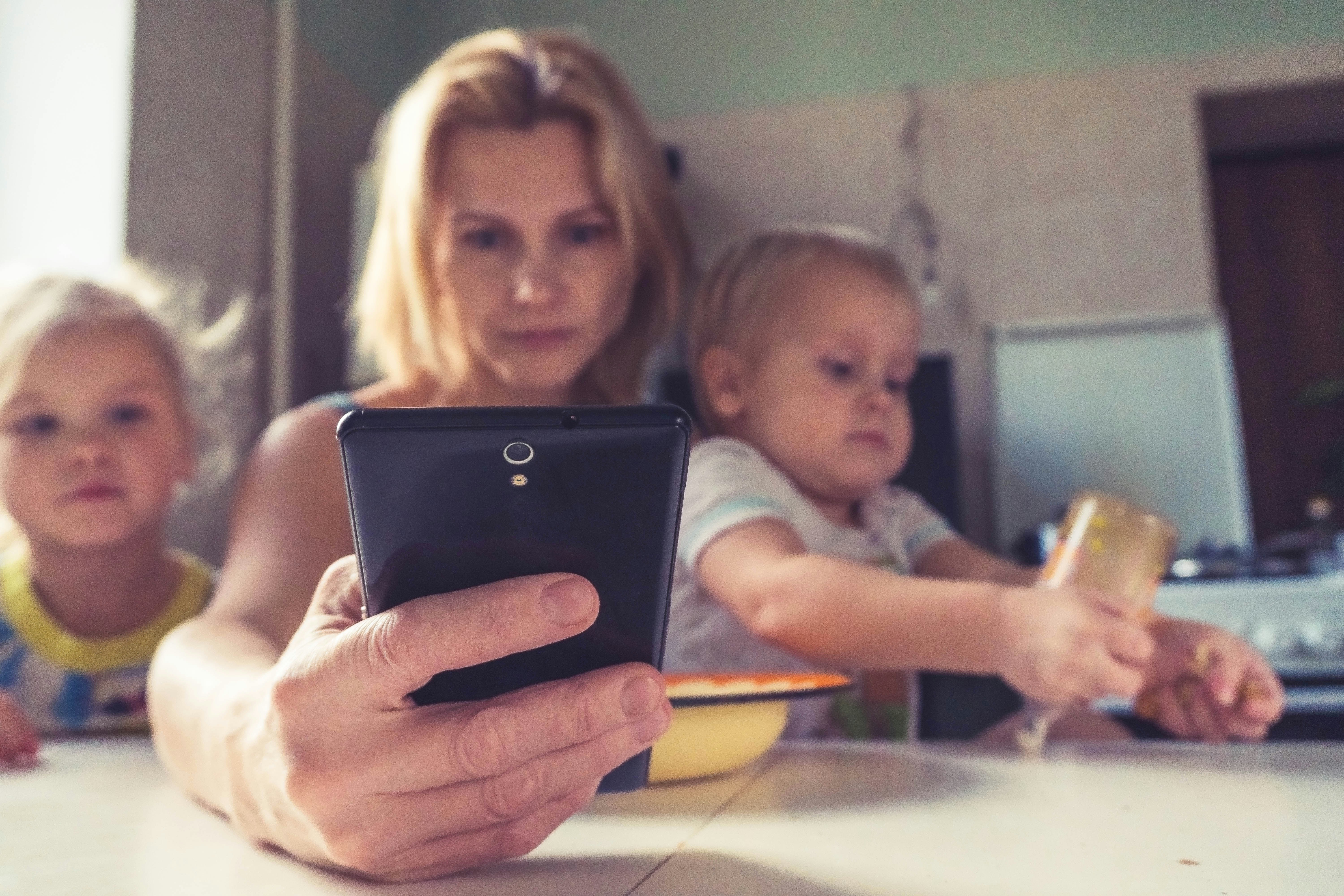
Can AI Replace a Sleep Consultant?
If you're asking whether AI can help you understand sleep a little better, my answer is absolutely. I think it's one of the best educational resources we've had in years. It can explain concepts, answer questions and give parents a great starting point.
But can it replace a sleep consultant?
For me, the answer is no.
Not because AI isn't clever, but because children aren't algorithms. Every child has different strengths, personalities and reasons behind their sleep challenges. My role has never been about knowing more sleep tips than AI. It's about asking the right questions, understanding the whole child and adapting support as things change.
Final Thoughts
I genuinely believe AI is here to stay, and I think that's probably a good thing. It has made information more accessible than ever before, and I'd encourage parents to use it to learn more about children's sleep and better understand the questions they want to ask.
If you've already tried advice from articles, AI or social media without success, it may simply be because the intervention didn't match the function of the sleep difficulty. Effective support starts by understanding why the sleep problem is occurring, not by choosing strategies at random.
Sometimes what you need isn't more information. Sometimes you need someone to help make sense of the information you already have.
That's exactly what I aim to do.
If you'd like personalised support that's tailored to your child and your family's needs, I'd love to help. Get in touch to find out how Behavioural Sleep Solutions can support your family.